Day 13: Himeji Day Trip and Osaka at Night
Himeji is one of the most popular day trips from Osaka, best known for Himeji Castle, Kōko-en Garden, Mount Shosha, and Engyō-ji. On Thursday, December 4, 2025, I visited all four during the day before heading back to Osaka to spend the evening wandering around Dōtonbori and Shinsaibashi.
Commute from Osaka to Himeji
That morning, I took the Midosuji Line from Namba Station to Umeda Station, then walked to Shin-Osaka Station to take the Shinkansen to Himeji Station. I arrived at the ticket counter just after 9:00am and was able to make it onto the 9:17am train to Himeji.
The ride was quick, and I arrived at Himeji Station around 9:47am. From there, I walked to the Himeji Bus Station to take the bus to the Mount Shosha Ropeway.
Mount Shosha
Mount Shosha is a forested mountain on the outskirts of Himeji, best known for Engyō-ji, a historic temple complex with more than 1,000 years of history. It is also famous as one of the filming locations for The Last Samurai. The easiest way to reach the temple complex is by taking the Mount Shosha Ropeway, which carries visitors up the mountain in about 5 minutes.
When I arrived at Himeji Bus Station, I went into the Shinki Bus Himeji Station Information Center to get my bearings. This ended up being the perfect place to start, because I was able to purchase a combination ticket for ¥1,700, which included the bus ride to the Mount Shosha Ropeway, the round-trip ropeway ride, and the bus ride back to Himeji Station.
From there, I took Bus #8 to the Mount Shosha Ropeway. The bus ride to the ropeway station took about 30 minutes, and the ropeway generally runs every 15 minutes.
I arrived at the top of Mount Shosha around 11:00am.
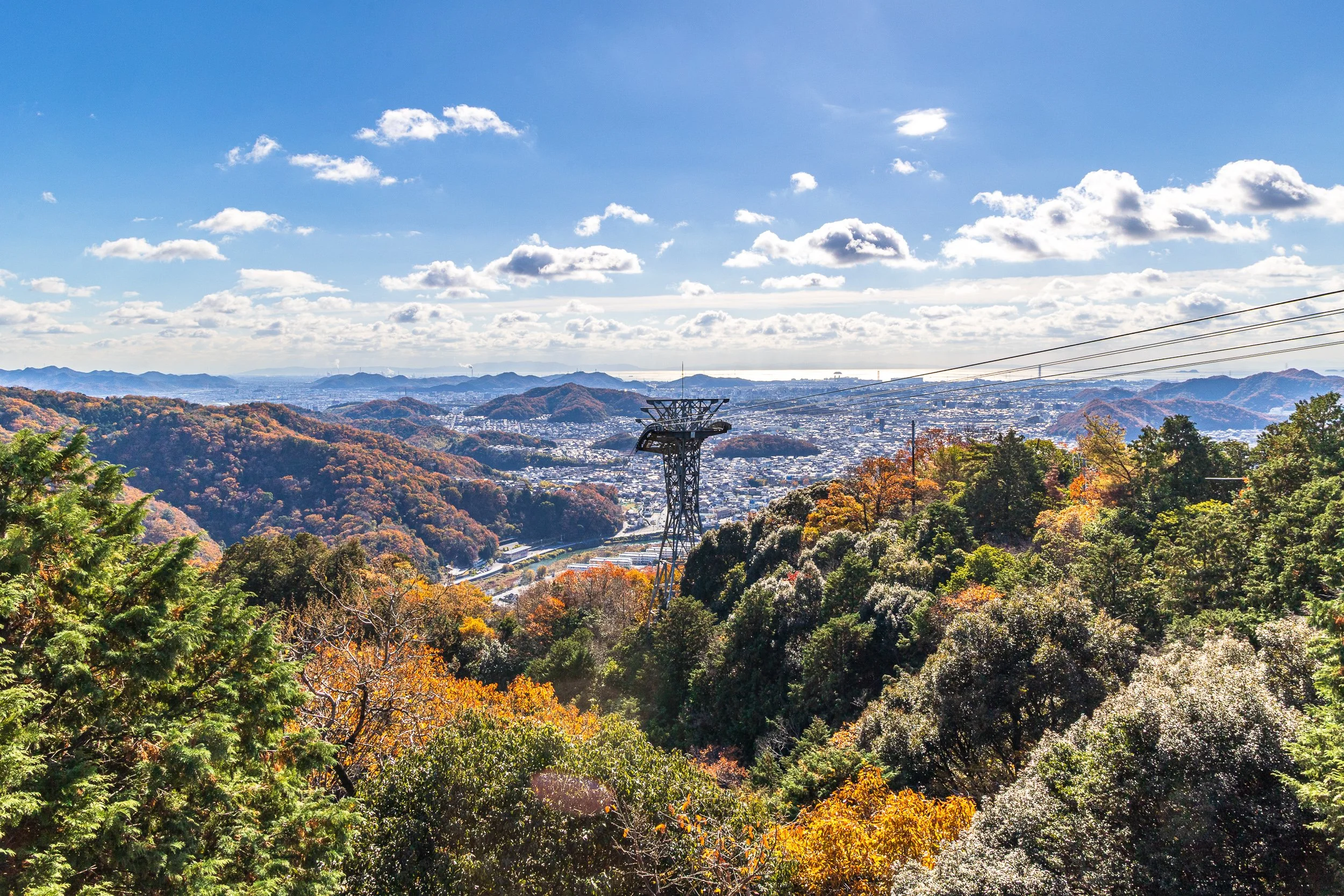
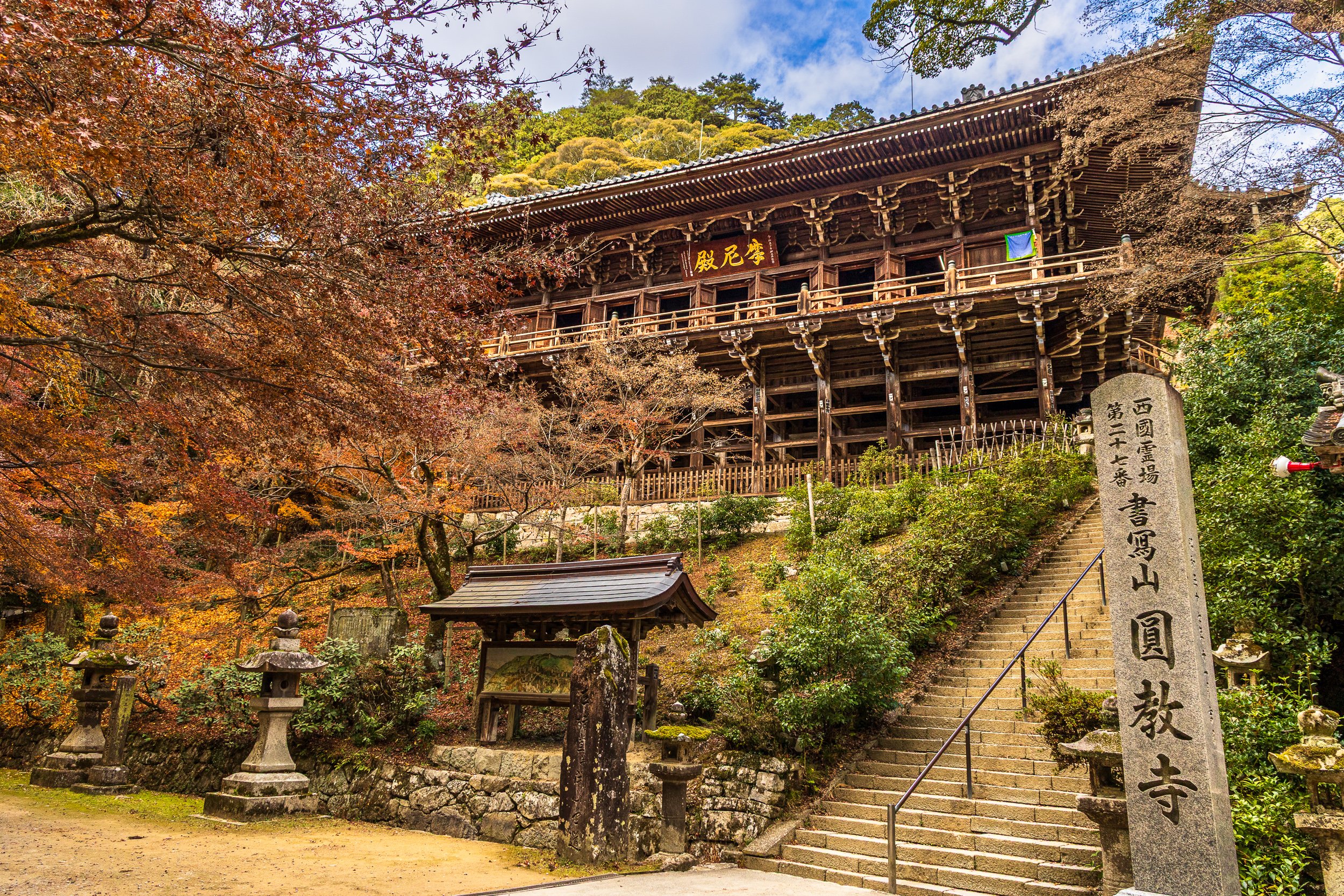
After taking in the views near the upper ropeway station, I walked about 15 minutes through the forest to reach Maniden Hall, one of the main buildings in the Engyō-ji complex. The temple is open from 8:30am to 5:00pm, and admission was ¥500.
I spent about two hours wandering around Mount Shosha and the Maniden Hall area before taking the ropeway back down and heading toward Kōko-en Garden and Himeji Castle. I ended up focusing my visit on this part of Engyō-ji and did not continue farther into the complex to see other areas, such as Daikōdō or Engyō-ji’s Three Halls. Since I had read that Maniden Hall was one of the central sights at Engyō-ji, I was content with seeing that portion of the temple complex.
Part of me does wish I had wandered farther, but I also wanted to make sure I had enough time for Kōko-en Garden and Himeji Castle before they closed. In the end, I was happy with what I was able to see during my time on Mount Shosha.
Kōko-en Garden
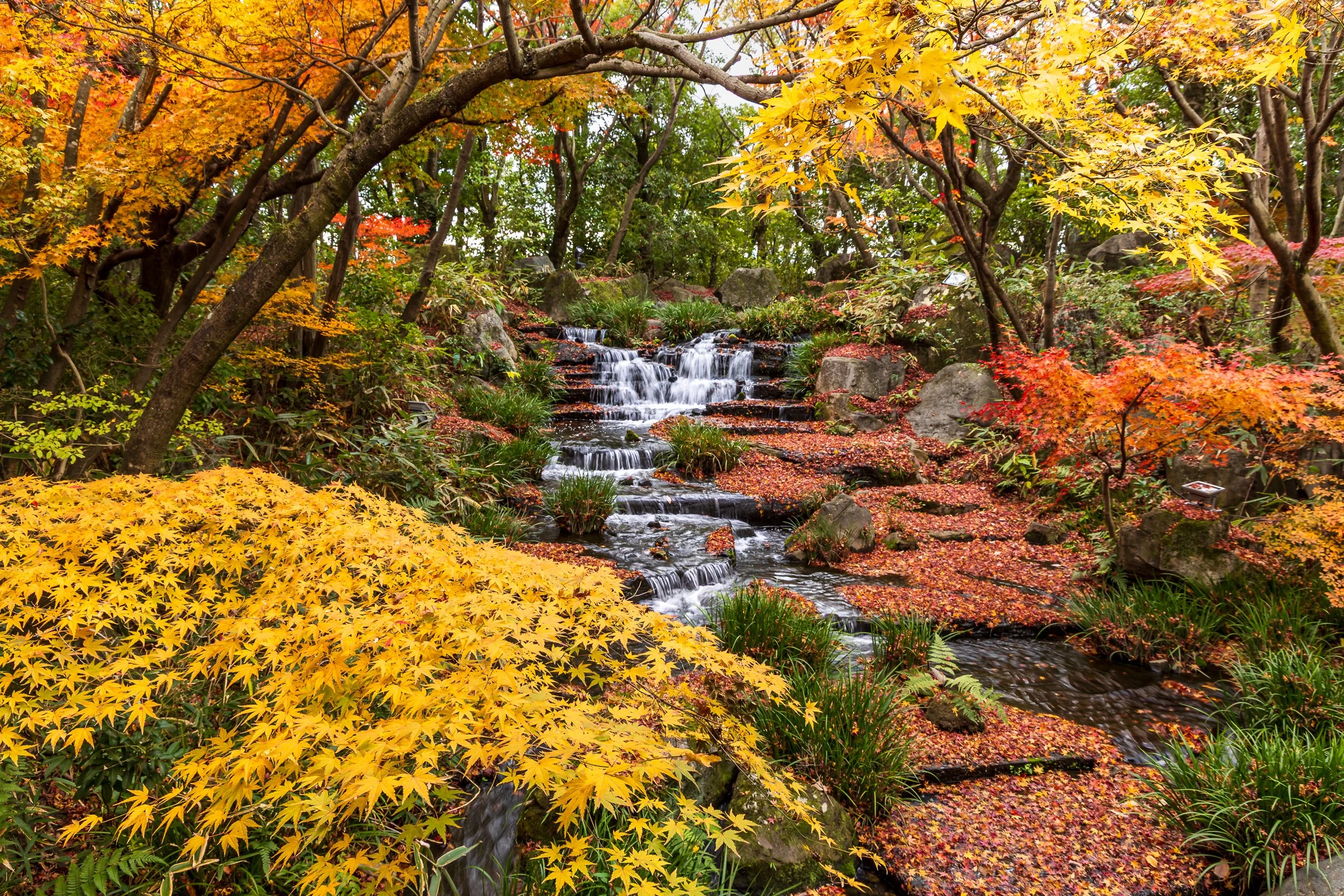
Kōko-en Garden is a traditional Japanese walking garden located next to Himeji Castle, just a short walk west of the castle’s main gate, Ōtemon Gate. Opened in 1992, the garden was built on the former site of the feudal lord’s west residence, known as Nishi-Oyashiki.
The garden is made up of nine separate walled gardens, each designed in a different Edo Period style. These include a pond garden with a waterfall, a tea ceremony garden with a Sukiya-style tea house, a pine tree garden, a bamboo garden, and a flower garden. Even though Kōko-en is much newer than Himeji Castle, the traditional buildings and landscaping make it feel beautifully historic and peaceful.
Kōko-en Garden is open from 9:00am to 5:00pm. Admission to the garden alone is ¥400 for adults. A Himeji Castle and Kōko-en Garden combo ticket is also available for ¥2,600, so since I knew I wanted to visit both, I purchased that instead.
I arrived at Kōko-en Garden around 1:30pm and spent almost an hour wandering through the gardens before continuing on to Himeji Castle.
Himeji Castle
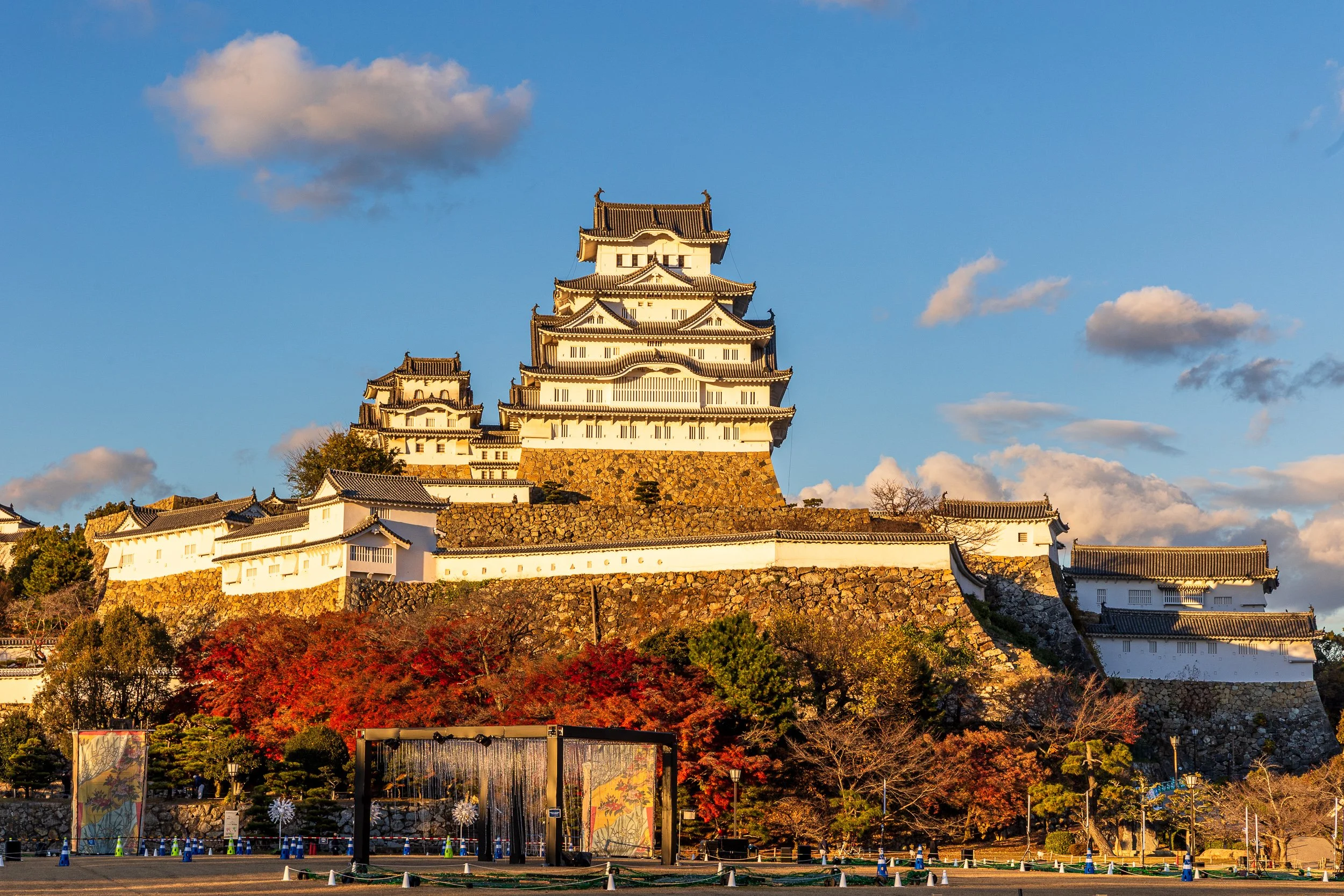
Himeji Castle was my final major stop in Himeji. It is a hilltop Japanese castle complex and one of the largest, most visited, and best-preserved castles in Japan. Also known as White Heron Castle for its elegant white exterior and wing-like rooflines, it is considered one of Japan’s most spectacular feudal castles.
The castle is both a UNESCO World Heritage Site and a National Treasure. Registered in 1993, it was one of Japan’s first UNESCO World Heritage Sites. Unlike many Japanese castles that were rebuilt over time, Himeji Castle is especially remarkable because it survived centuries of wars, earthquakes, fires, and World War II air raids largely intact.
The entrance to the castle is about a 5-minute walk from Kōko-en Garden, back toward Himeji Station. Himeji Castle is open from 9:00am to 5:00pm, with the last entry at 4:00pm. Since I had purchased the Himeji Castle and Kōko-en Garden combination ticket, I used that to enter.
I arrived around 3:00pm and spent about an hour and a half exploring the castle grounds and briefly walking through the main keep. Inside, the steep wooden stairs, defensive openings, and views over Himeji gave a better sense of the castle’s original role as a fortress. After that, I made my way back toward Himeji Station to return to Osaka.
Commuting from Himeji to Osaka
Around 4:30pm, I made my way back to Osaka. This time, instead of taking the Shinkansen, I took the JR Tokaido-Sanyo Line Special Rapid from Himeji Station to Osaka Station, then transferred to the Midosuji Line to get back to Namba.
This route was slightly slower than taking the Shinkansen, but not by much. It was also cheaper (¥1,700 vs. ¥3,220) and still very easy to use.
Since the JR Tokaido-Sanyo Line Special Rapid is a standard commuter train, I was able to simply tap my PASMO card at the ticket gates when entering and exiting. No extra fare supplement or seat reservation was required.
Shinsaibashi Shopping Arcade & Dōtonbori
When I got back to Osaka, I spent the evening wandering through Shinsaibashi Shopping Arcade and Dōtonbori.
Shinsaibashi Shopping Arcade, also known as Shinsaibashi-suji Shopping Street, is a covered pedestrian shopping street that stretches roughly 600 meters. It is lined with shops, restaurants, cafés, souvenir stores, global fashion brands, department stores, and traditional Japanese craft shops, making it a fun place to wander in the evening.
The arcade runs north to south, and its southern end connects easily to the Dōtonbori canal area. From there, I continued toward Dōtonbori, one of Osaka’s most famous entertainment, dining, and nightlife districts.
Dōtonbori is known for its bright neon signs, canal views, restaurants, street food, and huge 3D storefront displays. One of the most iconic sights in the area is the Glico Running Man, the enormous illuminated runner overlooking Ebisubashi Bridge and the Dōtonbori canal.
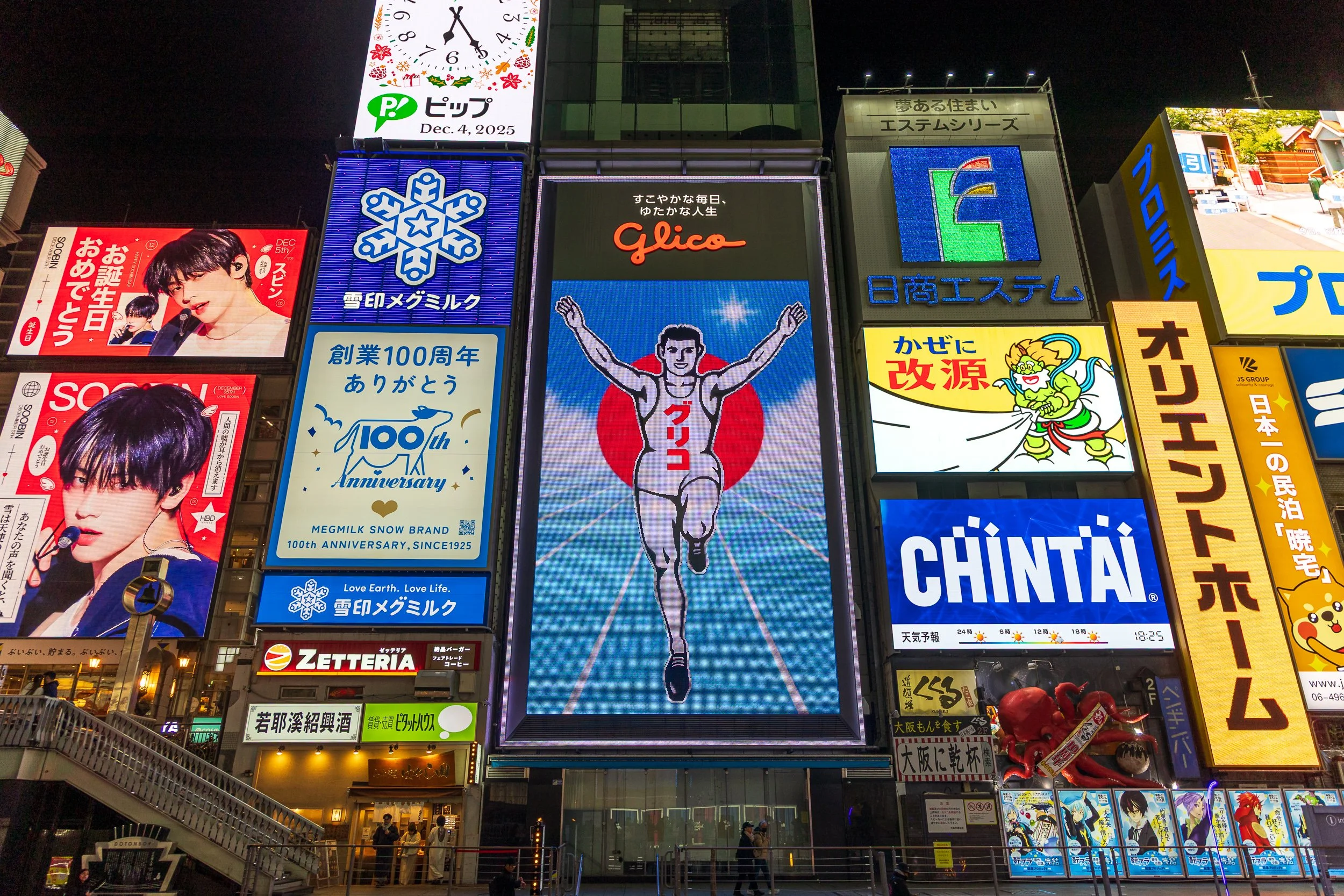
It was an easy and lively evening route: starting with the shops of Shinsaibashi, then continuing straight toward Dōtonbori for neon lights, canal views, and classic Osaka energy.
Dinner at Kushikatsu Daruma
After wandering around Dōtonbori for a bit, I stopped for dinner at Kushikatsu Daruma, one of Osaka’s most well-known places for kushikatsu, or crispy deep-fried meat, seafood, and vegetable skewers. The restaurant is easy to spot thanks to the giant, angry-looking chef mascot above the entrance.
Since it is such a popular spot, wait times can vary, but I arrived around 6:30pm and was seated right away at a table by myself. English menus were available through a QR code at the table, and I ordered directly from my phone.
I tried several skewers, including Kobe beef, young corn, oyster, asparagus, and shrimp. It was all so good!
After dinner, I headed back to my hotel to relax and have an early night in, since the following day was going to be an early morning.