Day 15: Day 4 in Osaka and Return to Tokyo
On Saturday, December 6, 2025, I spent my fourth and final day in Osaka before heading back to Tokyo that evening for my flight home the next day. Before leaving, I visited Sumiyoshi Taisha, Osaka Castle & Nishinomaru Garden, the Nakanoshima area, Umekita Park, and Umeda Sky Building & Kuchu Teien Observatory.
Sumiyoshi Taisha
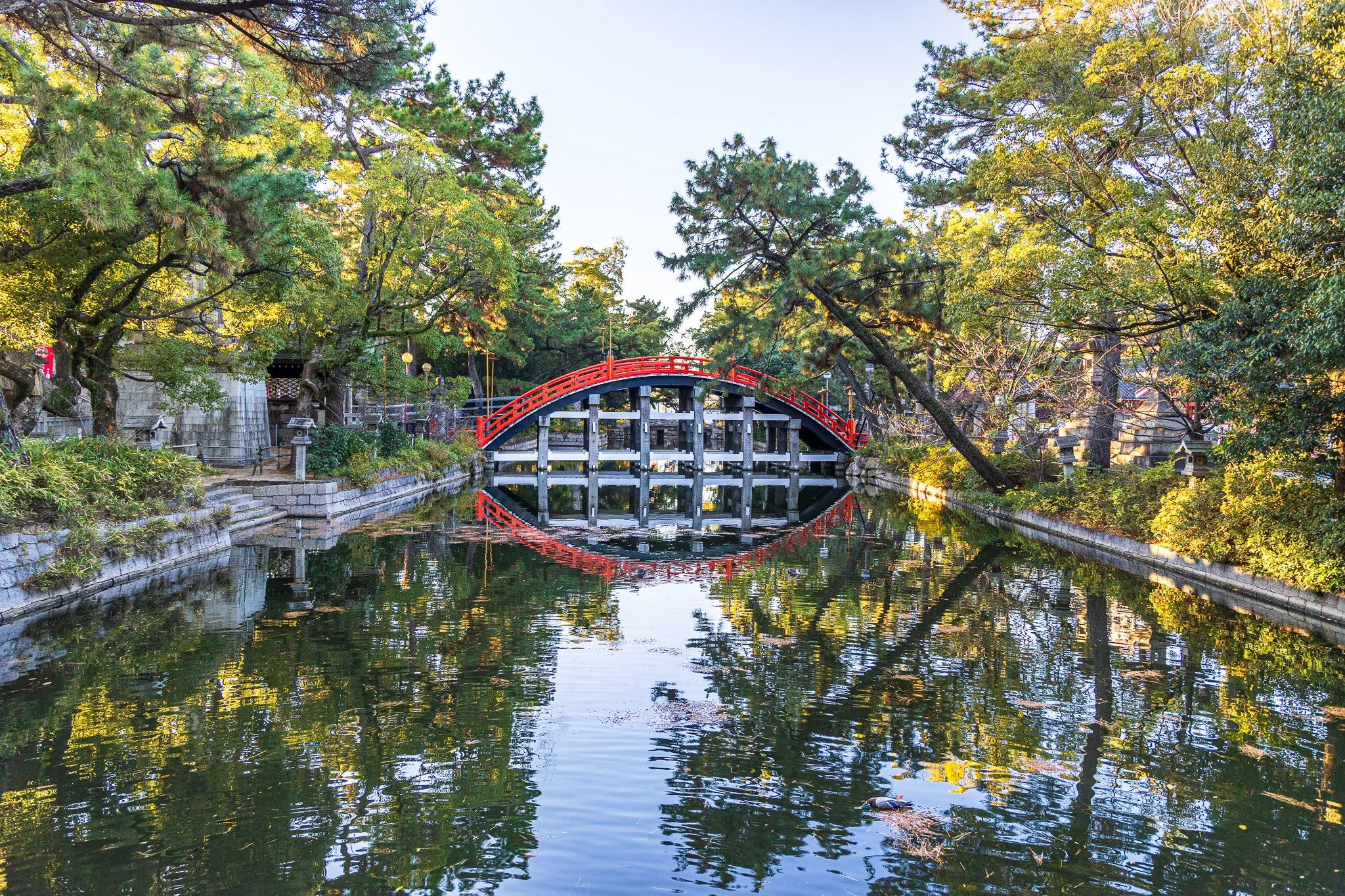
I started the morning at Sumiyoshi Taisha, one of Osaka’s most important shrines and one of the oldest shrines in Japan. The shrine is especially known for its peaceful grounds, traditional architecture, and beautiful arched bridge, Sorihashi Bridge.
One thing that makes Sumiyoshi Taisha especially interesting is that it was built before mainland Asian architectural influences became common in Japan. Because of that, the shrine has a distinct style that feels different from many of the temples and shrines I had visited earlier in the trip.
The grounds were quiet and peaceful, making it a lovely place to start my last day in Osaka.
Entrance to the shrine is free. Visiting hours are 6:00am to 5:00pm from April through September and 6:30am to 5:00pm from October through March.
I arrived around 7:30am and spent about an hour wandering around the grounds before continuing on to Osaka Castle.
Osaka Castle & Nishinomaru Garden
After visiting Sumiyoshi Taisha, I took public transit to Osaka Castle, one of the city’s most famous landmarks. Located in the heart of Osaka, the castle is known for its bright white exterior, greenish-copper roof, gold accents, massive stone foundation, surrounding moat, and large park grounds.
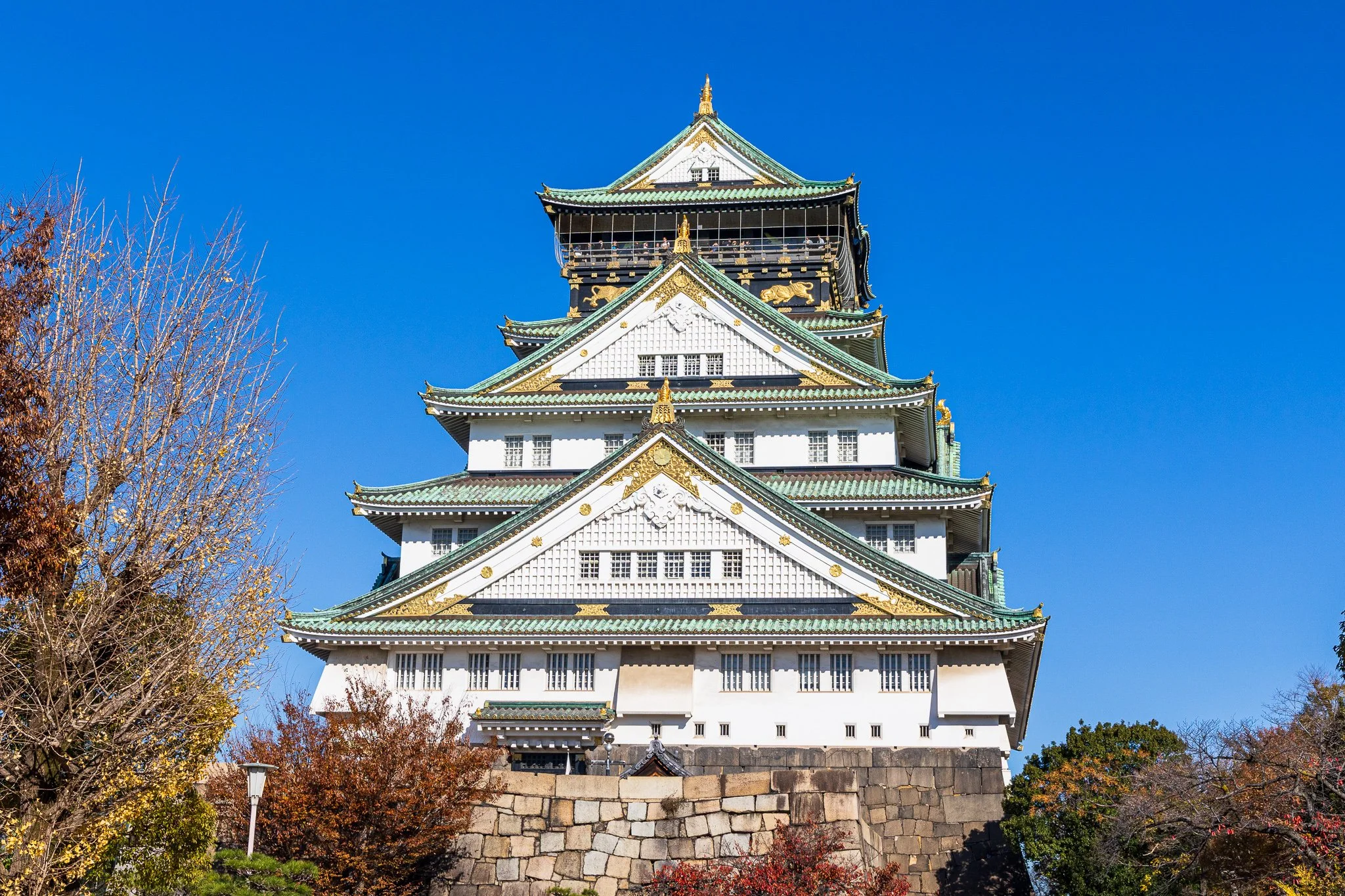
Although Osaka Castle is one of Japan’s most recognizable castles, it is not one of Japan’s 12 original castle keeps. The current main tower was rebuilt in 1931, after earlier versions of the castle were destroyed over the centuries.
Most of the Osaka Castle Park grounds are free to visit, but entering the castle tower requires a separate ticket. I decided not to go inside and instead focused on taking photos of the exterior, walking around the grounds, and visiting Nishinomaru Garden.
Nishinomaru Garden is part of the Osaka Castle complex and is located in the castle’s former western citadel. The garden covers about 6.5 hectares, or roughly 16 acres, and is especially known for its wide lawn, views of Osaka Castle, and hundreds of cherry trees.
I had been hoping to see some beautiful fall colors at Nishinomaru Garden, but many of the leaves had already fallen by December 6. Even so, it was still a nice place to walk around. The open lawn made it feel much quieter and more spacious than some of the busier areas around the castle grounds, and I liked being able to photograph the castle from different angles.
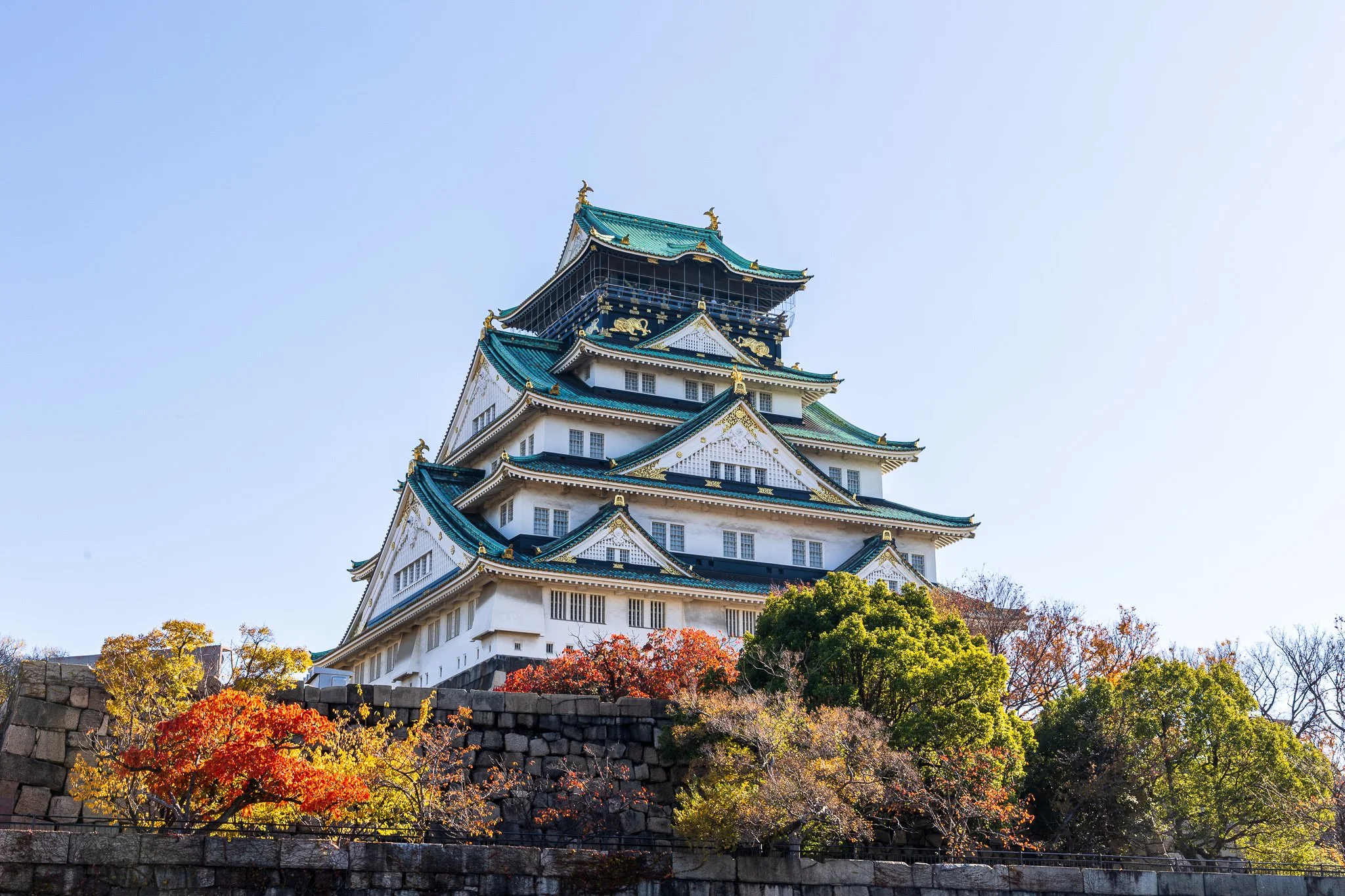
Osaka Castle & Nishinomaru Garden are open from 9:00am to 5:00pm, with the last entry at 4:00pm. Entrance to Nishinomaru Garden admission was ¥200 most of the year and is higher during cherry blossom season.
I arrived at the castle grounds around 9:30am and spent almost two hours walking around, taking photos of Osaka Castle, and visiting Nishinomaru Garden before heading to lunch at a restaurant on the grounds around 11:15am.
Lunch at Konamon Bar Rikyu at Osaka Castle
For lunch, I stopped at Konamon Bar Rikyu, located inside MIRAIZA OSAKA-JO, a multipurpose complex just steps from the main castle tower.
The restaurant focuses on konamon, or flour-based foods, which are a major part of Osaka’s food culture. Two of the best-known examples are okonomiyaki, a savory grilled pancake, and takoyaki, ball-shaped snacks usually filled with octopus.
I ordered okonomiyaki, takoyaki, and a cherry-topped soda float. It was a fun and easy lunch stop while visiting the Osaka Castle area.
Nakanoshima Area
After lunch, I took the Nakanoshima Line from Temmabashi Station to Nakanoshima Station to spend a little time walking along the river and getting photos of the city from the Nakanoshima area.
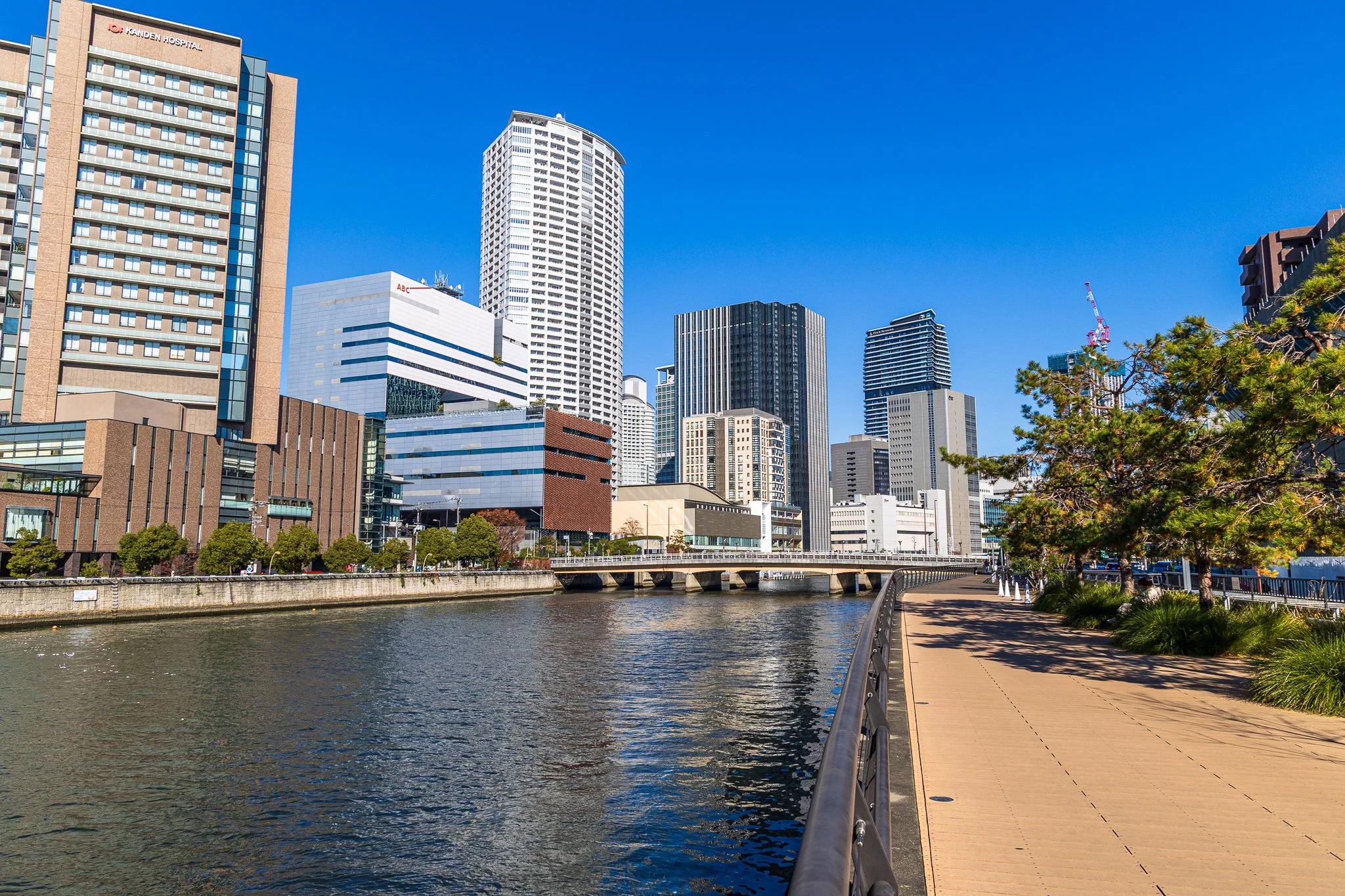
Nakanoshima is a riverside district in central Osaka, located between the Dōjima River and Tosabori River. This part of the city has a different feel from the busier shopping and nightlife areas around Namba and Dōtonbori. It is known for its river views, historic buildings, museums, cafés, and public spaces, making it a nice area to wander for a bit in the afternoon.
I didn’t have a major stop planned here. I mostly just walked along the river, enjoyed the quieter scenery, and took photos before leaving around 1:30pm to walk toward the Umeda Sky Building.
Umekita Park
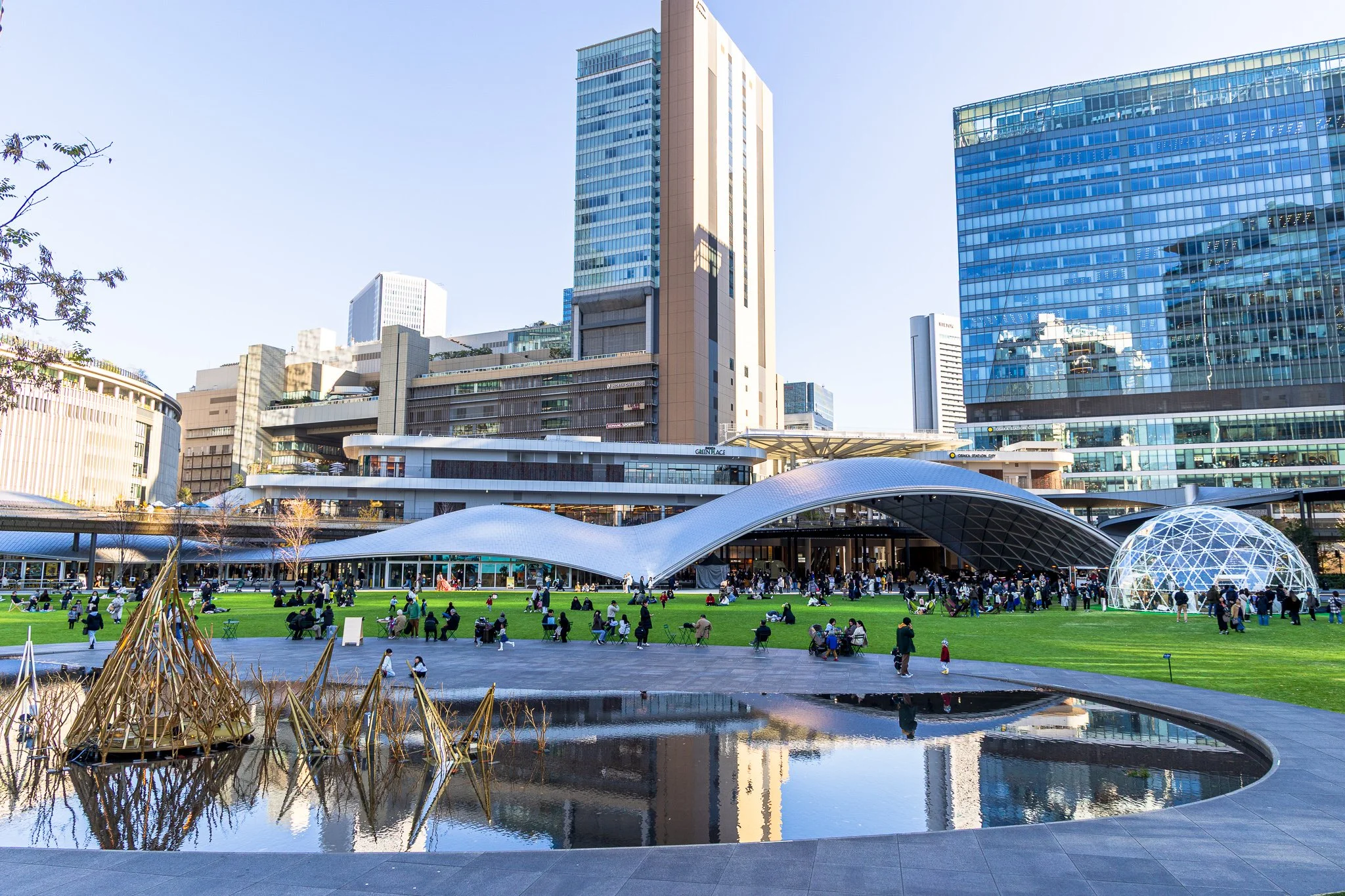
My final major stop in Osaka was the Umeda Sky Building, one of the city’s most recognizable modern landmarks. On the way there, I stopped briefly at Umekita Park, a newer green space located just north of JR Osaka Station.
The park is part of the larger Grand Green Osaka redevelopment project, which is transforming a former rail freight yard into a modern district with parks, offices, hotels, shops, and residences. Since I had spent much of the day visiting older shrines, castle grounds, gardens, and riverside areas, it was interesting to see a newer, more modern side of Osaka before heading to the observatory.
Umeda Sky Building & Kuchu Teien Observatory
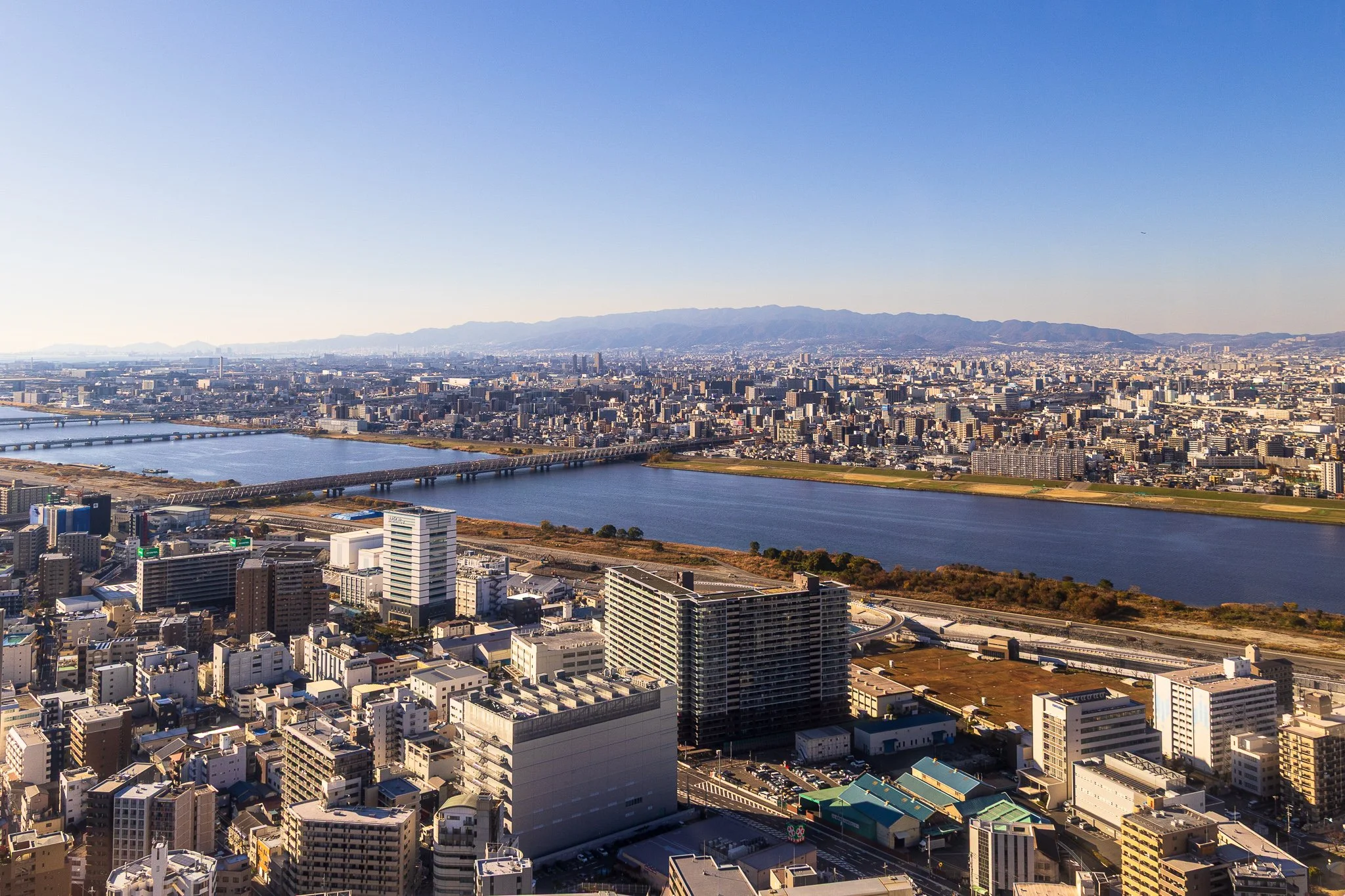
Located in the Kita district near Osaka and Umeda Stations, the building is made up of two towers connected near the top by the Kuchu Teien Observatory, also known as the Floating Garden Observatory.
The building stands 173 meters tall, and the observatory offers wide views over Osaka from both an indoor viewing area and an open-air deck. After spending much of the day visiting shrines, castle grounds, gardens, and riverside areas, it was a great way to end my time in Osaka by seeing the city from above.
From there, I made my way back to my hotel to collect my things and return to Tokyo for my final night in Japan.
Traveling from Osaka to Shinagawa
I got back to Sotetsu Fresa Inn Osaka-Namba around 3:30pm. I had been debating whether to stay in Osaka later and travel to Tokyo that evening, or even spend one more night in Osaka and leave for Tokyo the same day as my flight home. Ultimately, I decided it would be smarter to get back to Tokyo the night before. While public transportation in Japan is amazing, had there been any train issues on the day of my flight, it would have been stressful, and I did not want to miss my flight home.
After packing everything up, I took the Midosuji Line from Namba Station to Shin-Osaka Station to catch the Shinkansen to Tokyo. I arrived at Shin-Osaka Station around 4:20pm without a reserved ticket already booked. Using the SmartEX app, I was able to purchase a ticket for the NOZOMI 430, which departed just about 30 minutes later at 4:51pm and arrived at Shinagawa Station at 7:13pm.
I’m sure this may not always work, especially during busier travel periods, but in my case, it was very easy to show up at the station, buy a same-day Shinkansen ticket, and get on a train shortly afterward.
Since I was flying out of Haneda Airport the next day, I chose to stay near Shinagawa Station, which is one of the most convenient Shinkansen stops for getting to Haneda. From Shinagawa Station, I walked to Miyako City Tokyo Takanawa, where I would be staying for my final night in Japan.
Final Night in Tokyo
After checking in, I wasn’t sure where I wanted to go for dinner. I had almost planned on just grabbing something from the nearby 7-Eleven, but on my way there, I passed Yonpachi Gyojo Shinagawa, a casual Japanese seafood izakaya, and decided to eat there instead.
The restaurant is known for serving fresh seafood and regional sake. I ordered freshly caught amberjack with sesame sauce, Chicken Nanban, a popular fried chicken dish from the Kyūshū region, and a Hebesu Honey Sour to drink.
After dinner, I headed back to the hotel around 9:00pm to relax and get some sleep before my flight home the next day.