Day 9: Day 2 in Kyoto - Day trip to Nara from Kyoto
Nara, known for its free-roaming deer and iconic sights like the Great Buddha at Tōdai-ji Temple and Kasuga Taisha Shrine, is one of the most popular day trips from Kyoto or Osaka. I chose to visit Nara as a day trip from Kyoto.
Commute from Kyoto to Nara
On Sunday, November 30, I walked about 15 minutes from my hotel to Kyoto Station, then took the JR Nara Line to Nara Station. The train ride took about 45 minutes, for a total travel time of roughly one hour.
From there, I walked about 20 minutes to Sarusawa-ike Pond, making sure to walk down Sanjō-dōri Street, a historic shopping street lined with shops, restaurants, and hotels that stretches toward Nara Park and Kōfuku-ji Temple.
Sarusawa-ike Pond
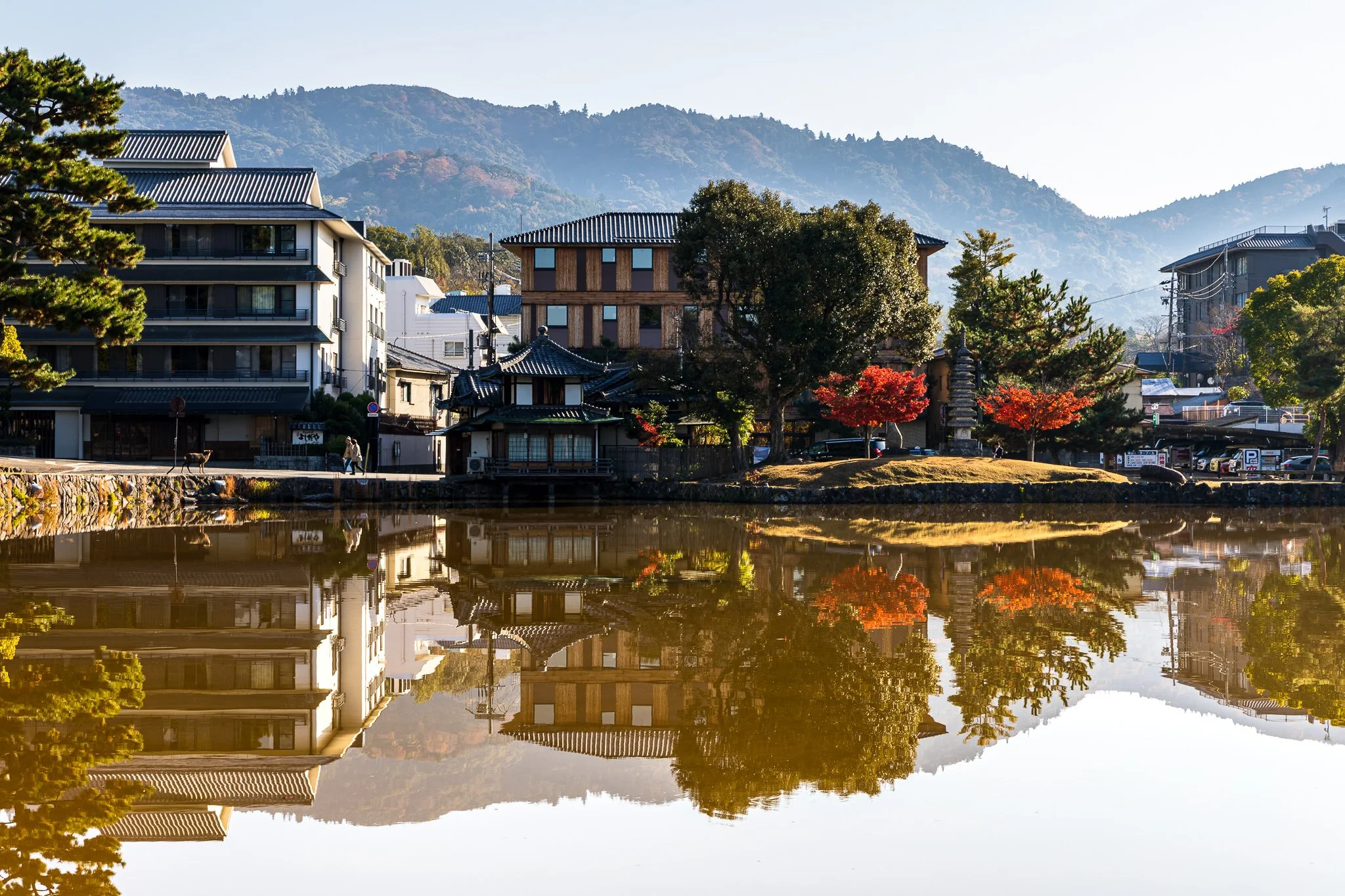
Sarusawa-ike Pond is a man-made pond built in 749 for a Buddhist ceremony associated with Kōfuku-ji Temple. It’s known for its beautiful reflections of the surrounding trees and buildings, especially the temple’s iconic five-storied pagoda.
Unfortunately, I was unable to see the famous reflection, as Kōfuku-ji’s five-storied pagoda has been undergoing extensive renovations since July 2023 and is expected to remain under construction until March 2034, during which time it is fully covered..
Even so, the pond was still beautiful to walk around and photograph.
Kōfuku-ji
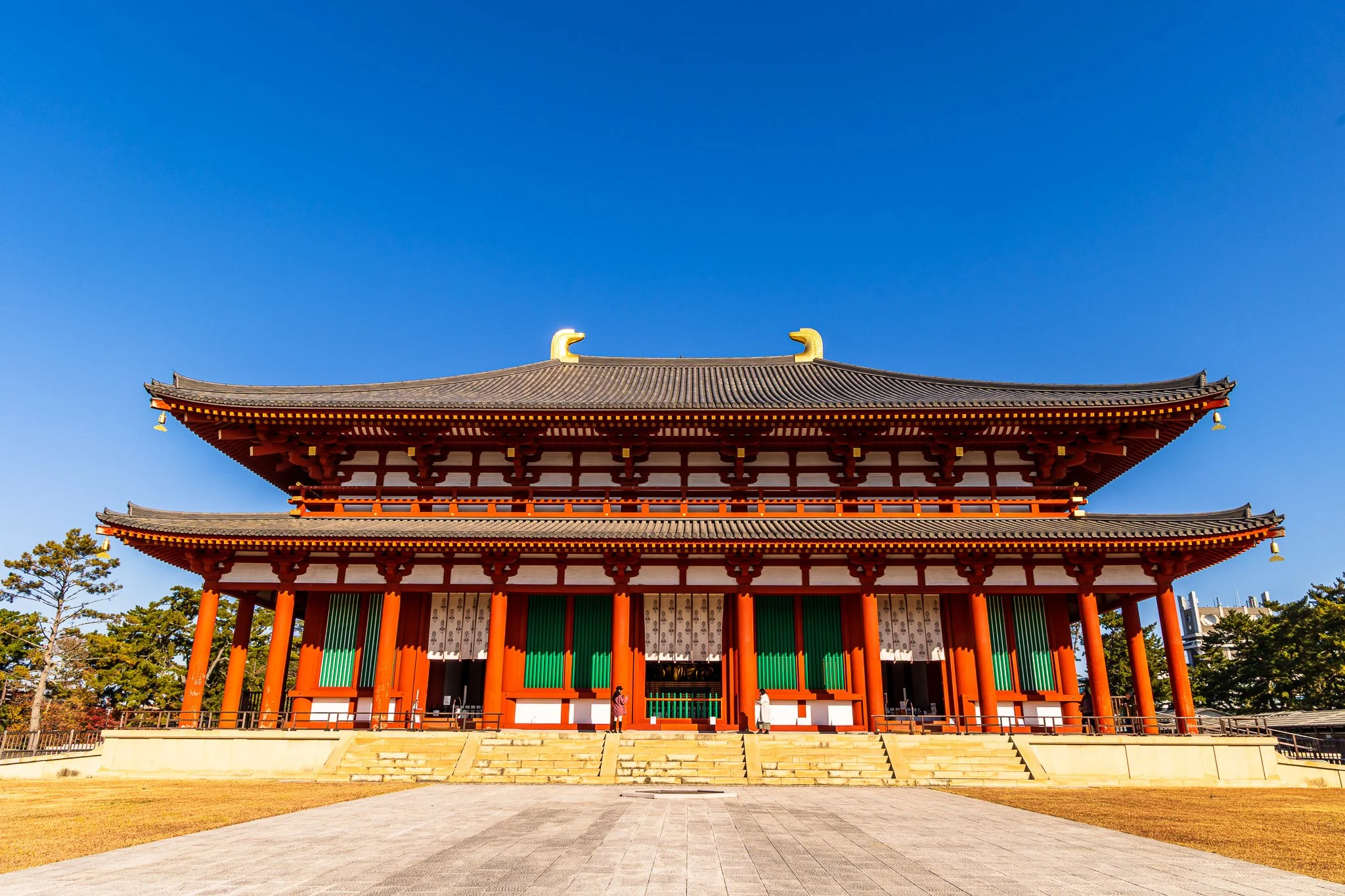
After wandering around the pond, I made my way to the Kōfuku-ji Temple grounds.
Kōfuku-ji is a historic Buddhist temple that was once one of the powerful Seven Great Temples of Nara. Now, it’s part of the Historic Monuments of Ancient Nara UNESCO World Heritage Site.
At 50 meters tall, its five-storied pagoda is Japan's second tallest wooden pagoda, just seven meters shorter than the five-storied pagoda at Kyoto's Toji Temple.
While the pagoda has been under renovation since July 2023 and is expected to continue until March 2034, the temple grounds remain open 24 hours a day and are free to enter. Some buildings, including the Central Golden Hall, Eastern Golden Hall, and National Treasure Museum, require an admission fee.
I spent about 30 minutes wandering the grounds, photographing the Nan’endō (Southern Round Hall), Three-Storied Pagoda, Hokuendō Hall (Northern Octagonal Hall), and the Tōkondō (Eastern Golden Hall) before continuing on toward Yoshikien and Isuien Gardens.
Feeding the deer
Nara is home to over 1,000 wild deer, which are considered sacred messengers of the gods and are designated as a natural treasure. They roam freely throughout the park and temple grounds.
Many of the deer are very food-motivated, almost like little puppies, and while generally tame, they can be a bit aggressive.
On my way to the gardens, I came across a large group of deer and a vendor selling deer crackers (¥200 per stack), which are available throughout the park. I fed a few of them, but one in particular kept trying to grab the crackers and even nipped at my jacket. Thankfully, nothing was damaged, but it definitely kept me on my toes!
After spending some time with the deer, I continued walking to the Yoshikien and Isuien Gardens.
Yoshikien and Isuien Garden
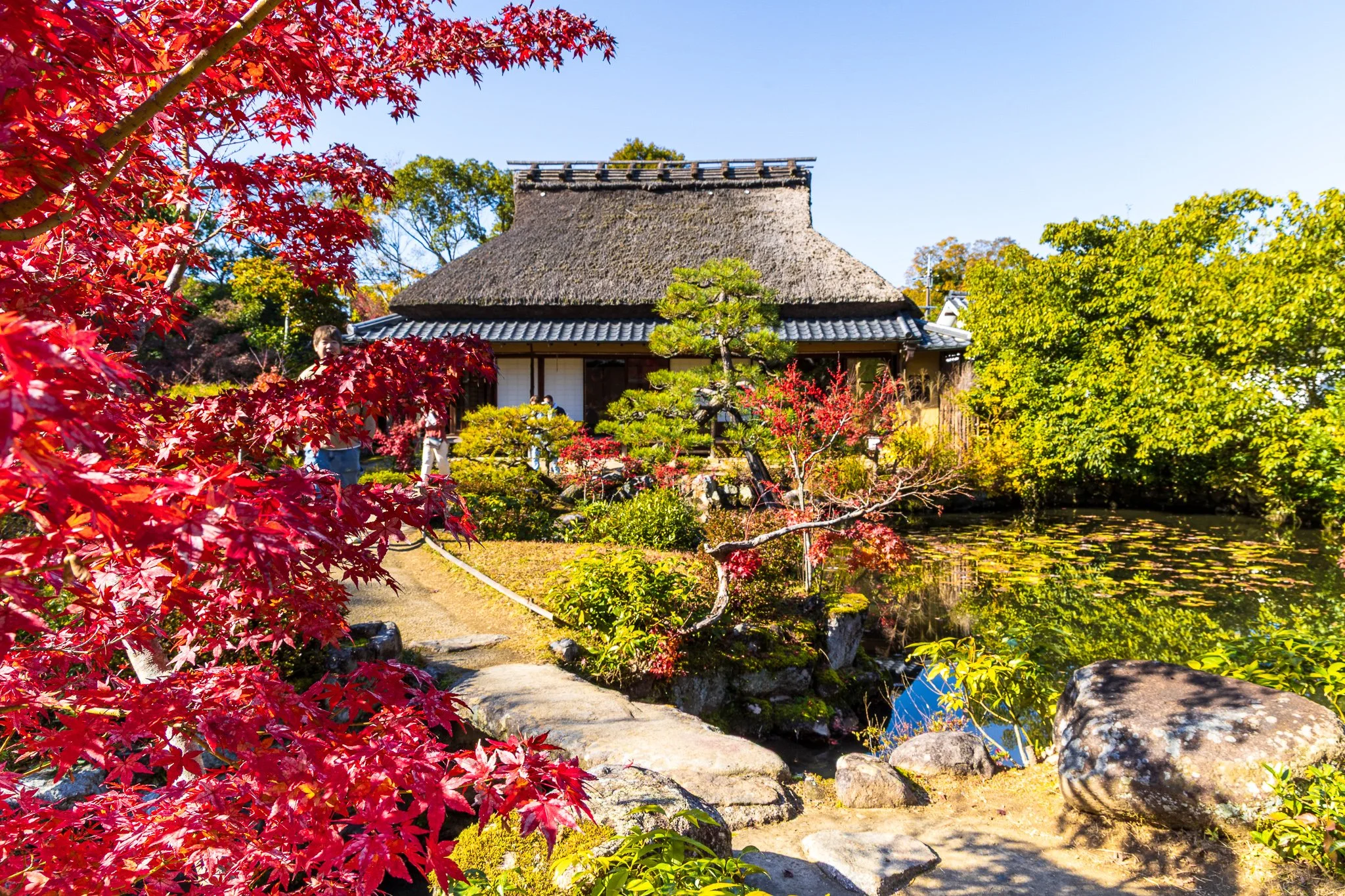
Yoshikien and Isuien Gardens are two beautiful traditional Japanese gardens located next to each other in the center of Nara, offering a peaceful escape from the busier temple areas.
Yoshikien, named after the nearby Yoshikigawa River, is a smaller garden dating back to 1919. It features three distinct areas: a pond garden, a moss garden, and a tea ceremony garden. The garden is open daily from 9:00am to 5:00pm (last entry 4:30pm). Admission for adults is ¥250, but free for foreign tourists with a passport or valid ID.
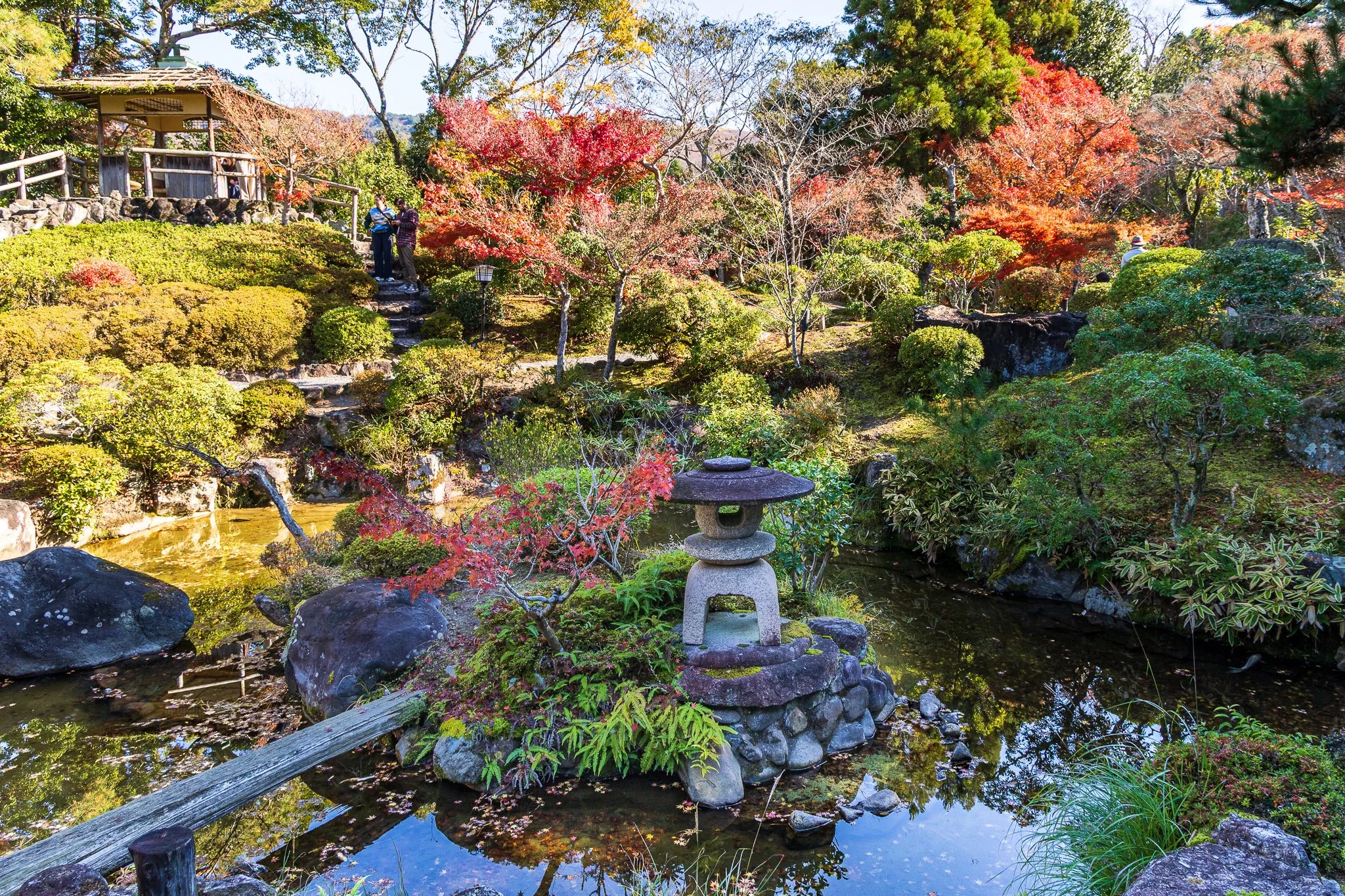
Isuien Garden, often considered one of the most beautiful gardens in Nara, is a larger garden divided into two main sections: a front garden from the Edo period and a more expansive rear garden. Both sections make use of shakkei, or “borrowed scenery,” incorporating landmarks like Tōdai-ji’s Nandaimon Gate and Mount Wakakusa into the design. The garden is open daily from 9:30am to 4:30pm (last entry 4:00pm) and is typically closed in the latter half of February. Admission is ¥900 and includes access to the Neiraku Museum.
I spent just under an hour wandering through both gardens before continuing on to Tōdai-ji Temple.
Tōdai-ji
Tōdai-ji is one of Nara’s most famous and historically significant sites, made up of a large temple complex with multiple halls and gates spread across the grounds. Its centerpiece is the Great Buddha Hall (Daibutsuden), one of the largest wooden buildings in the world, housing the world’s largest bronze statue of the Vairocana Buddha (Daibutsu), which stands about 15 meters (nearly 50 feet) tall.
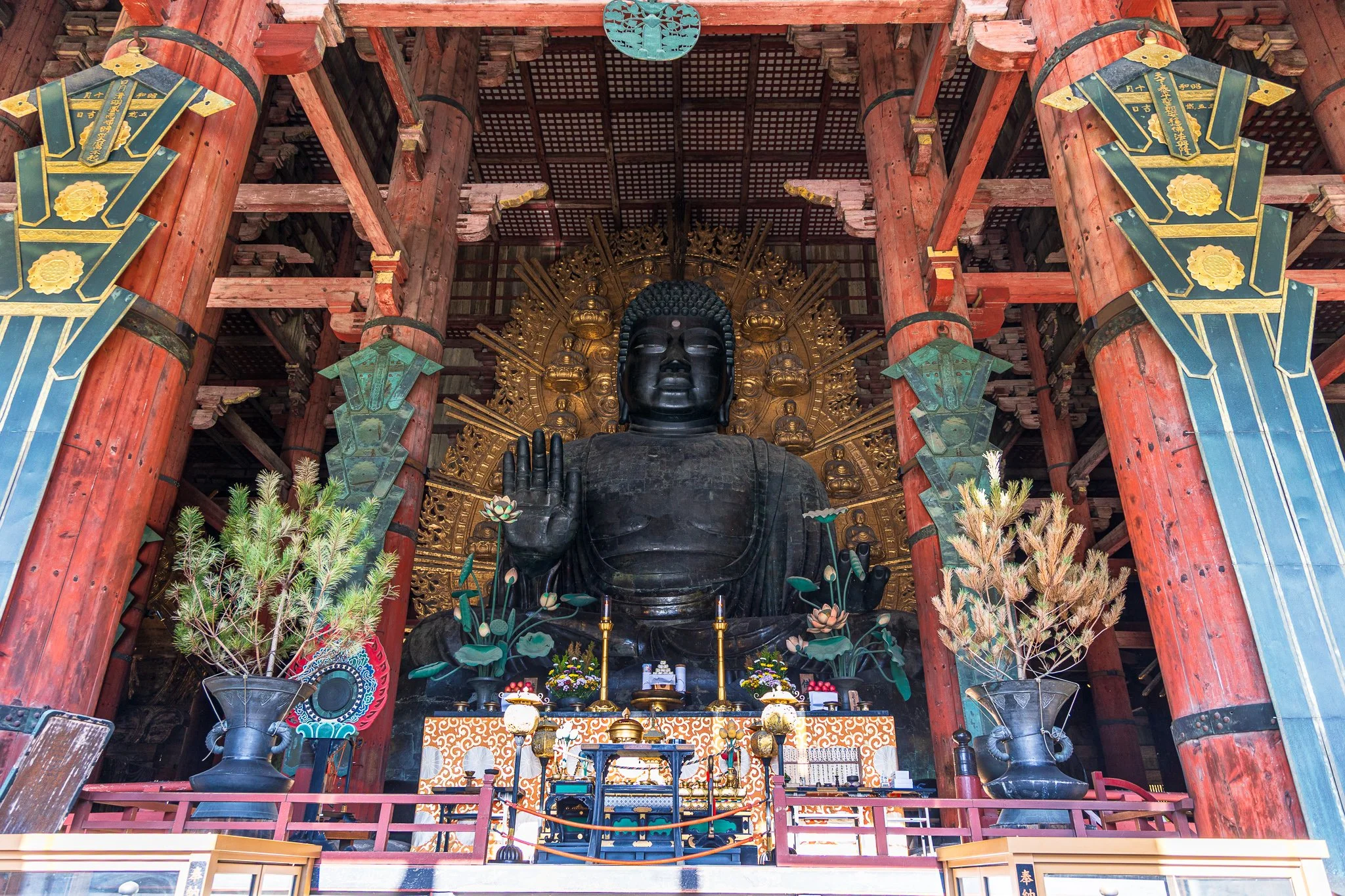
The temple is part of the UNESCO-listed Historic Monuments of Ancient Nara and was once one of the powerful Seven Great Temples.
The Great Buddha Hall is open from 8:00–17:00 (November–March) and 7:30–17:30 (April–October). Admission for an adult is ¥800.
I spent about 30 minutes walking through Todai-ji Temple before walking to Azekuraya for lunch.
Lunch at Azekuraya
Azekuraya is a traditional Japanese restaurant near Tōdai-ji Temple. I arrived just before 12:30pm and was able to get a table easily, though it filled up quickly by around 12:40pm.
I ordered the Nyūmen, a hot noodle soup featuring thin, white somen noodles, which is especially popular in Nara during the cooler months. Since I was in Nara, I figured I might as well try one of the region’s specialty dishes! It definitely hit the spot.
I also had the Kakisuga, a popular sweet treat made from dried persimmons stuffed with sweet paste and citrus. It was also really good!
I left around 1pm to walk to the Nigatsu-dō.
Tōdai-ji Nigatsu-dō
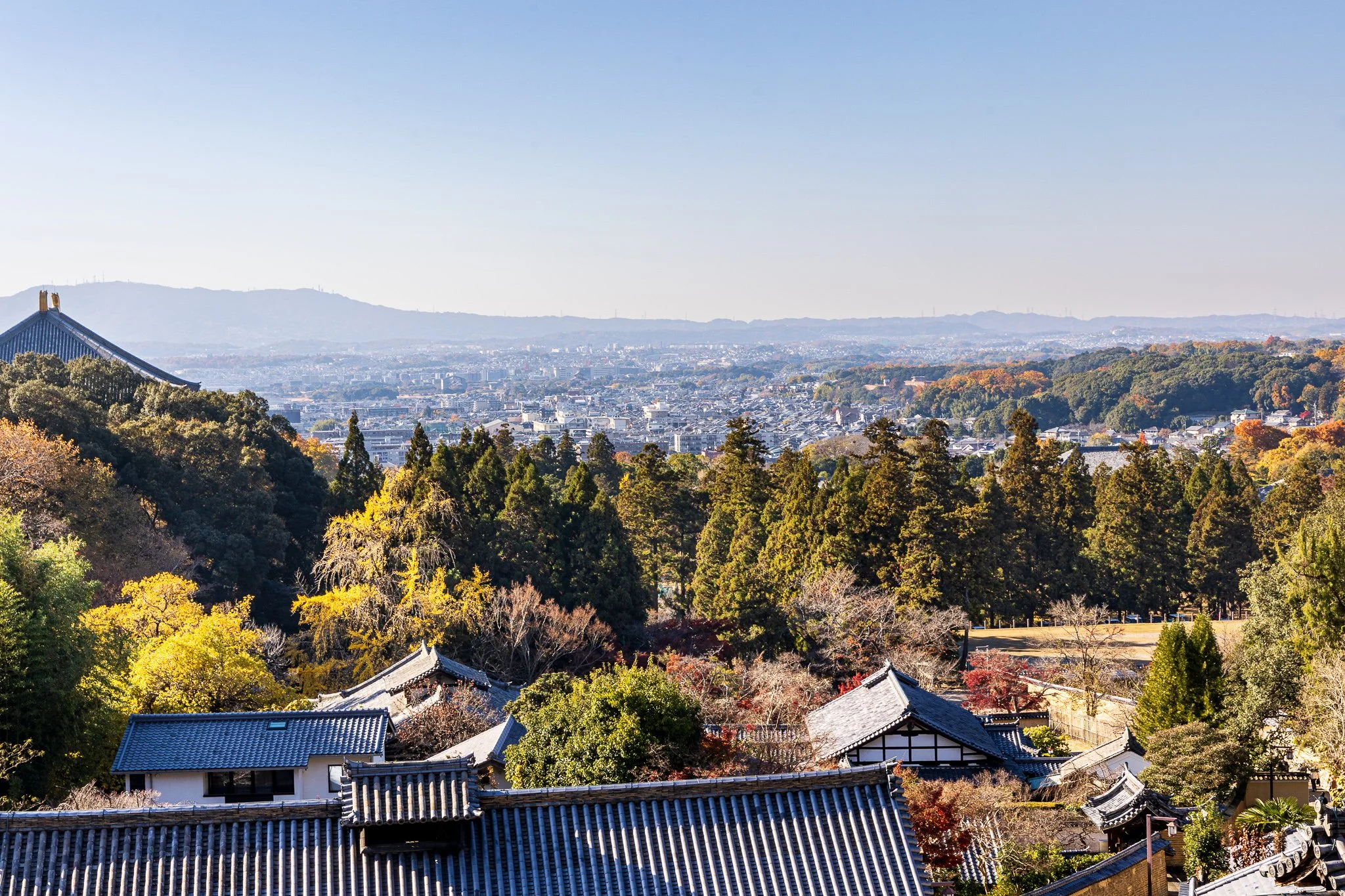
Nigatsu-dō, or “The Hall of the Second Month,” is a smaller temple hall within the Tōdai-ji complex, located on the slopes of Mount Wakakusa, northeast of the Great Buddha Hall (Daibutsuden). Rebuilt in 1669, this National Treasure is best known for its elevated wooden balcony, which offers panoramic views over Nara. The hall is open 24 hours a day, 7 days a week, and admission is free.
The view from the balcony is easily one of the best in Nara, especially around sunset. I had considered timing my visit for sunset, but arrived around 1:45pm instead, as it fit better with the walking route I had planned. I spent about 30 minutes walking around the hall and taking in the views before continuing on to Mount Wakakusa.
Mount Wakakusa
Mount Wakakusa is a 342-meter-high (1,122 ft) grass-covered hill located just east of Nara Park. Its name literally means “young grass,” which perfectly reflects the smooth, open hillside.
The mountain is known for its sweeping panoramic views over Nara, including Tōdai-ji Temple, Nara Park, the city itself, and even Mount Ikoma in the distance. It’s especially popular for sunset and offers one of the best viewpoints in the area.
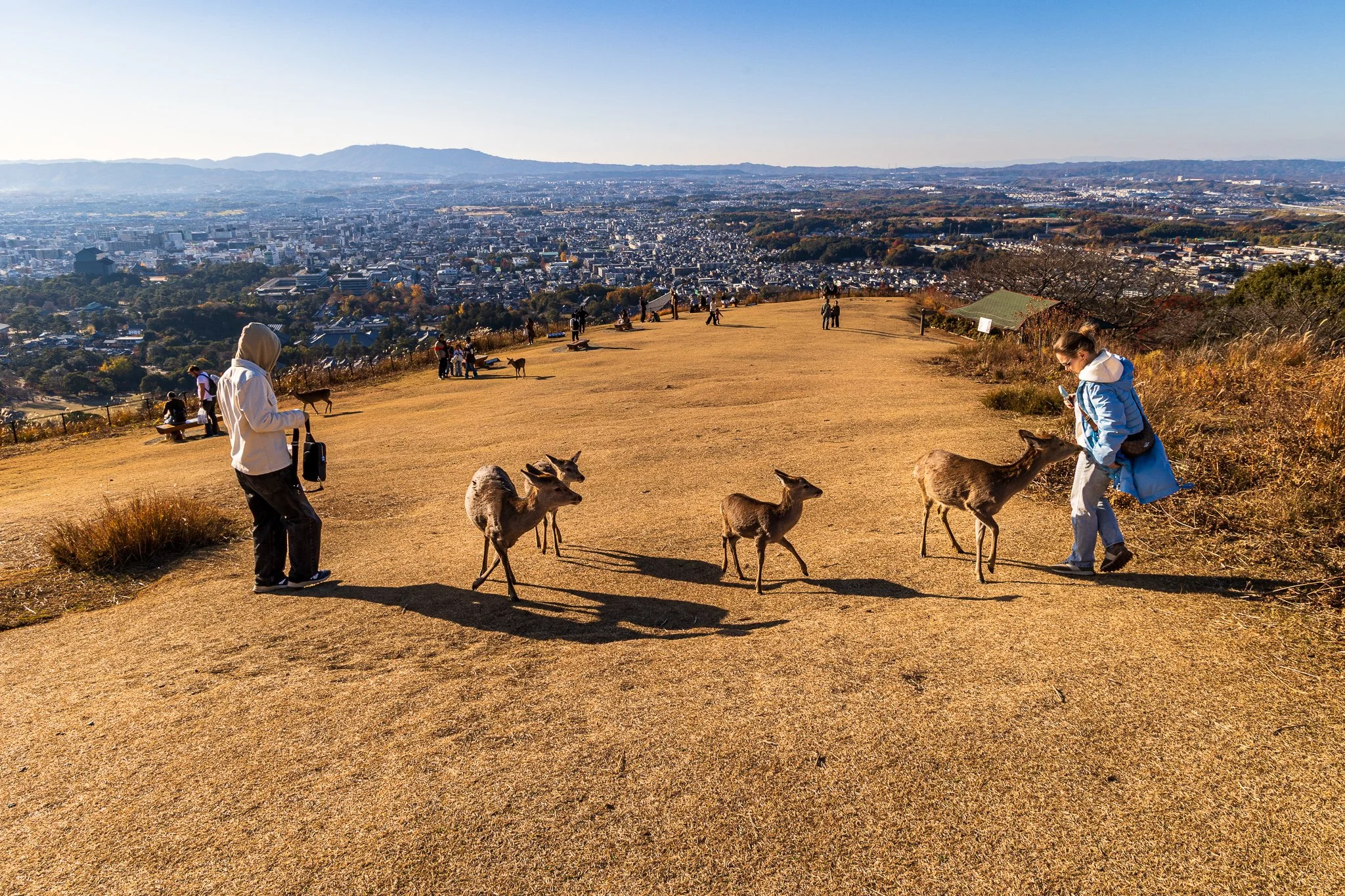
The hike to the summit is considered moderate, covering about 3.5 miles round trip with roughly 731 feet of elevation gain. I didn’t hike all the way to the top of Mount Wakakusa. Around the point shown in the photo below, instead of continuing farther up the hill to the left, I stayed on the lower slopes, taking photos of the city and enjoying the panoramic views from there.
I started walking up the hill around 2:15pm and made my way back down around 3:30pm.
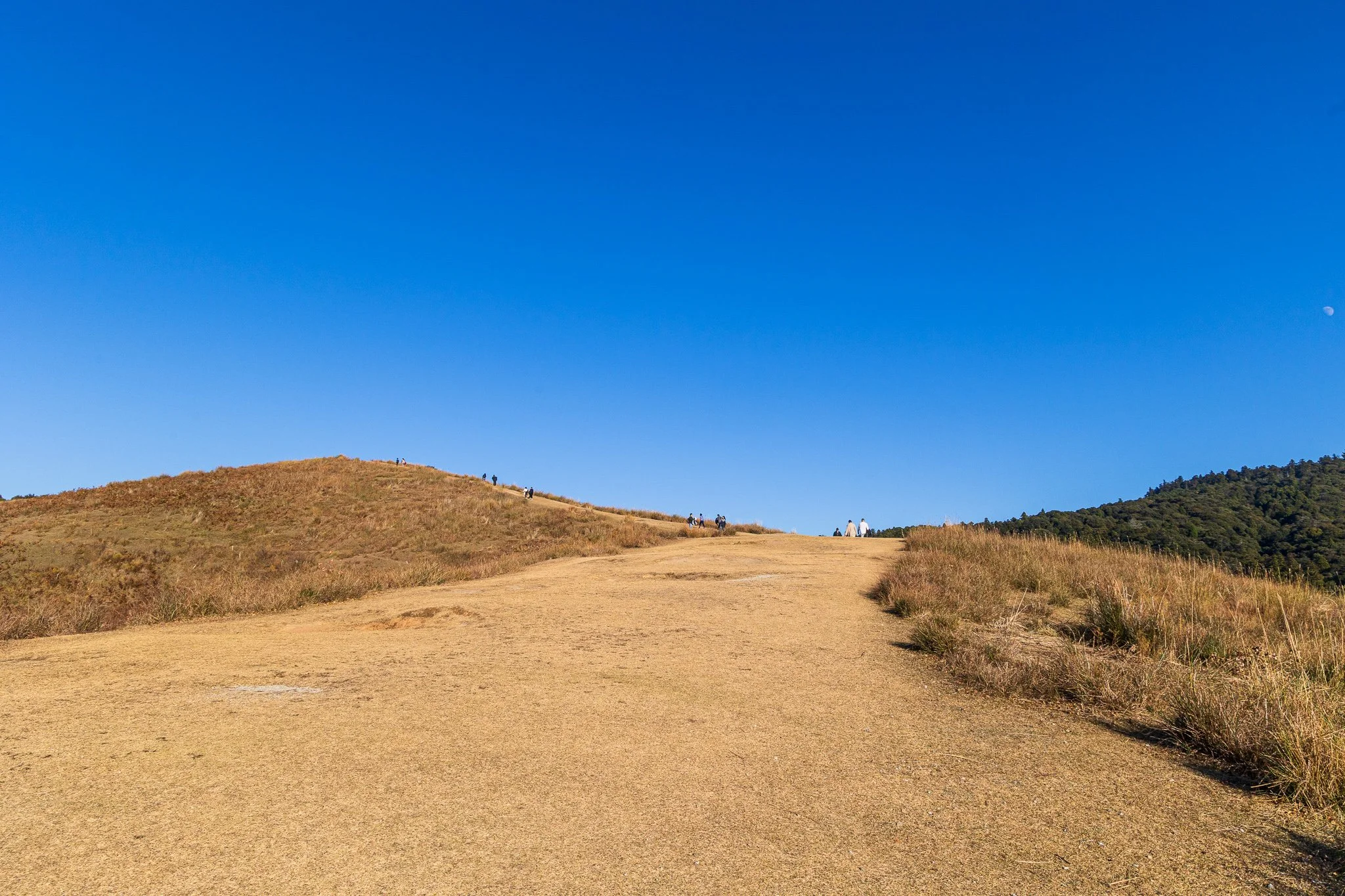
While I knew the deer roam freely in Nara, I still wasn’t expecting to see many on the hill, but there were quite a few wandering around! Not only did the hill offer beautiful views, it was also a a nice, less-crowded alternative to seeing them in Nara Park.
Mount Wakakusa is open to visitors from mid-March through early December. Daily hours are 9:00–17:00, and admission is ¥150. The hill is also famous for the annual Wakakusa Yamayaki festival in January, when the hillside is ceremonially burned.
Kasuga-taisha
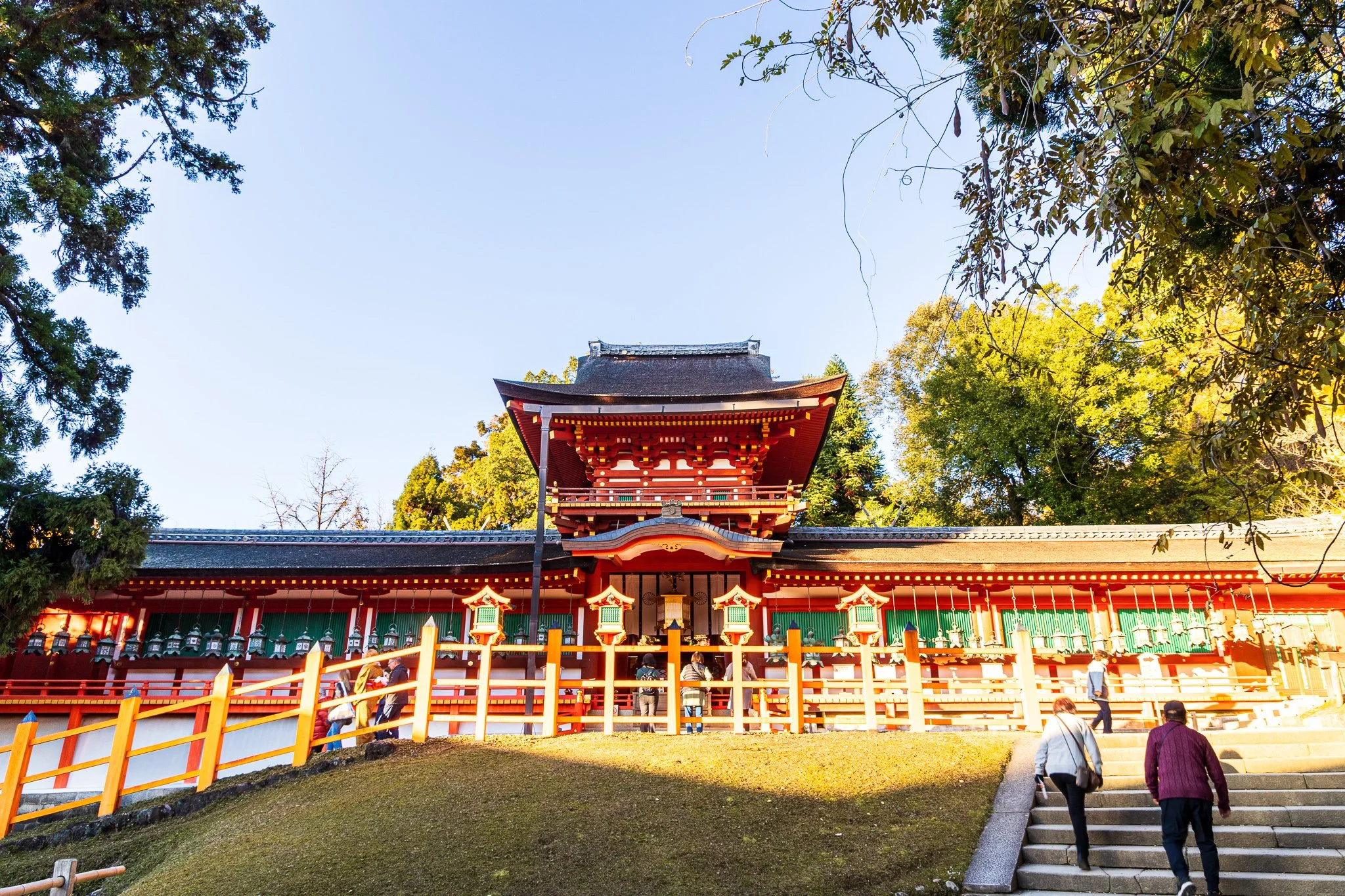
After walking up Mount Wakakusa, I continued on to Kasuga-taisha, a Shinto shrine founded in 768 CE for the powerful Fujiwara family.
The shrine is known for its striking vermilion buildings set within a forest, as well as its thousands of bronze and stone lanterns. The path leading up to the shrine is lined with moss-covered stone lanterns, creating a really peaceful and atmospheric walk.
Kasuga Taisha is part of the UNESCO-listed Historic Monuments of Ancient Nara. While the outer grounds are free to explore, there is a small fee to enter the inner shrine area.
Commute from Nara to back to Kyoto
Nara was an incredibly beautiful city to visit, from interacting with the deer to seeing the world’s largest bronze statue of the Vairocana Buddha (Daibutsu), as well as the stunning views from Tōdai-ji Nigatsu-dō and Mount Wakakusa.
I headed back to Kyoto around 5:20pm, taking the Kintetsu Limited Express from Kintetsu-Nara Station instead of the JR Line this time. The train ride took just 37 minutes, getting me back to Kyoto Station right around 6:00pm.
Dinner at McDonald’s in Kyoto Station
The next day, I planned to wake up very early to visit the Arashiyama Bamboo Forest, as I had read it’s best to arrive around 5:30am to experience it before the crowds.
After a full day in Nara, I didn’t feel like putting too much effort into finding dinner. Since I was already at Kyoto Station, I decided to try McDonald’s to see how the Japanese version compared to the U.S. version.
I ordered the Teriyaki McBurger Set with an edamame and corn side and a Sprite. It was honestly really good!
After dinner, I walked about 15 minutes back to the hotel to relax and get settled in for the early morning ahead.